November 22 update: movement does not confirm coverage
The Wall Street Journal's November 21 reporting ↗ describes continued UAE crude shipments despite maritime risks. That does not establish normal service, broader insurance availability or a new surcharge. The ADNOC Logistics & Services statement ↗ separately confirms the earlier vessel incident, not the subsequent reporting.
Before accepting a revised booking, ask your broker to confirm shipment-specific coverage in writing: what it excludes, whether the premium or deductible changed, and when those terms take effect. For example, a revised quote that keeps the same premium but increases the deductible from $25,000 to $50,000 transfers $25,000 more of a covered loss to the insured. These are hypothetical values, not market rates.
What does this mean for freight buyers?
Cargo owners using Hormuz should confirm vessel identity, operating status and any written coverage change before altering bookings. ADNOC has confirmed an attack, not a region-wide shutdown or new freight tariff. The immediate decision is whether a specific shipment faces a verified hold, diversion or arrival change.
Commercial implications below are SCS analysis, not reported rate changes.
What changed?
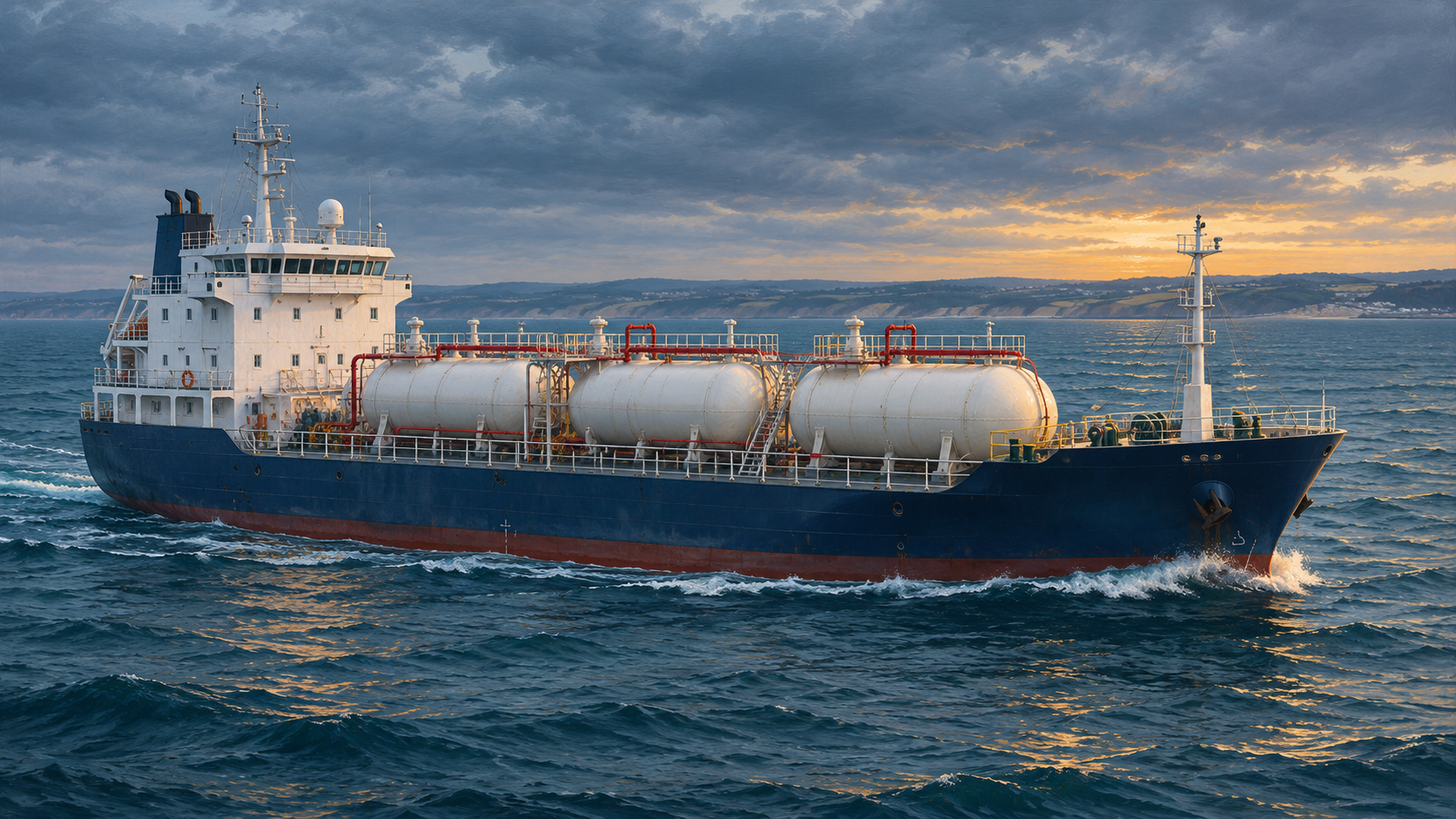
ADNOC Logistics & Services said November 18 that one of its vessels was attacked while transiting the Strait of Hormuz on the evening of November 17. One crew member remained unaccounted for and search-and-rescue work continued with authorities. All other crew were evacuated, including eleven injured people receiving medical care where needed. Its statement did not name the vessel or identify an attacker. This report does not identify the unnamed vessel as Tara Gas, a separately reported incident.
Establish which booking is affected
Start with the operator notice and vessel name rather than a map of regional incidents. Ask the forwarder to distinguish cargo physically aboard an affected vessel from cargo awaiting loading and cargo on another sailing. Record the last confirmed position, custody and arrival estimate with the time of the update.
For a shipment still moving to plan, keep the existing booking under review rather than buying replacement transport solely because of the headline.
Separate risk pricing from operating delays
A proposed insurance premium, vessel waiting charge and revised transport quote are different costs. Request the amount, currency, affected booking, validity and contractual basis for each. If a revised offer already includes a premium, do not add it again in the comparison.
No incident-specific freight increase is established by the company statement. Any cost effect discussed here is a possible mechanism, not a measured market move.
Ask what the contract actually covers
Check the applicable cancellation, diversion and delay wording with the carrier and responsible insurance specialist. Ask whether a proposed charge applies to an existing confirmed booking or only to new offers. Do not assume that a news event automatically changes the signed terms.
Keep dated notices and booking confirmations together so a later invoice can be compared with the service and terms actually accepted.
Use a shipment-specific decision trigger
Price an alternative when a confirmed operating restriction or arrival change threatens the shipment’s useful delivery date. Compare the full route, handling, customs and final delivery cost, not just an ocean quotation.
For example, a buyer might prioritize a small critical component instead of rerouting an entire replenishment order. That is a hypothetical planning option, not evidence of a diversion already occurring. Navigation safety remains an operator and authority decision.
Frequently asked questions
Did ADNOC name the attacked vessel?
Not in the November 18 statement reviewed for this article.
Does this confirm that Hormuz is closed?
No. The statement confirms a vessel attack, not a blanket closure.
Should every shipper expect a surcharge?
No new universal charge was verified. Ask for a booking-specific written offer and its contractual basis.
Does continued crude movement verify my cargo insurance?
No. Ask your broker to confirm exclusions, deductible, premium and the effective time for your shipment.
November 22 editorial update: source check, freight impact and shipper decision aid.
Sources & publication notes
Rescue status can evolve. Vessel name and attacker not established in the primary statement. No blanket closure or new freight charge verified.
- Wall Street Journal: UAE crude shipments, November 21 ↗Checked November 22, 2026 · Attributed description of continued movement; not an insurance or rate confirmation.
- ADNOC L&S: November 17 vessel incident statement ↗November 18, 2026 · Primary company statement retrieved; casualty status as stated November18.
- ADNOC: operational updates ↗November 18, 2026 · Primary indexed operational update corroborates statement; no later casualty change verified.
SCS publication: 18 Nov 2026 · 13:01 UTC. Last modified: 22 Nov 2026. Research cutoff: November 22, 2026 Pacific morning source review; not the publication time. Source dates are distinct from publication. Reported figures remain attributed, not independently audited. External source availability may vary.
AI-assisted source checking and original SCS analysis. No separate human factual review is recorded.
Use your own evidence.
Compare complete shipment costs ↗ — Compare real offers on matching assumptions.
Review freight costs and evidence ↗ — Use your own booking and contract evidence.
Tools remain separate from the reporting. No headline becomes a live quote, a guaranteed saving or an automatic surcharge.