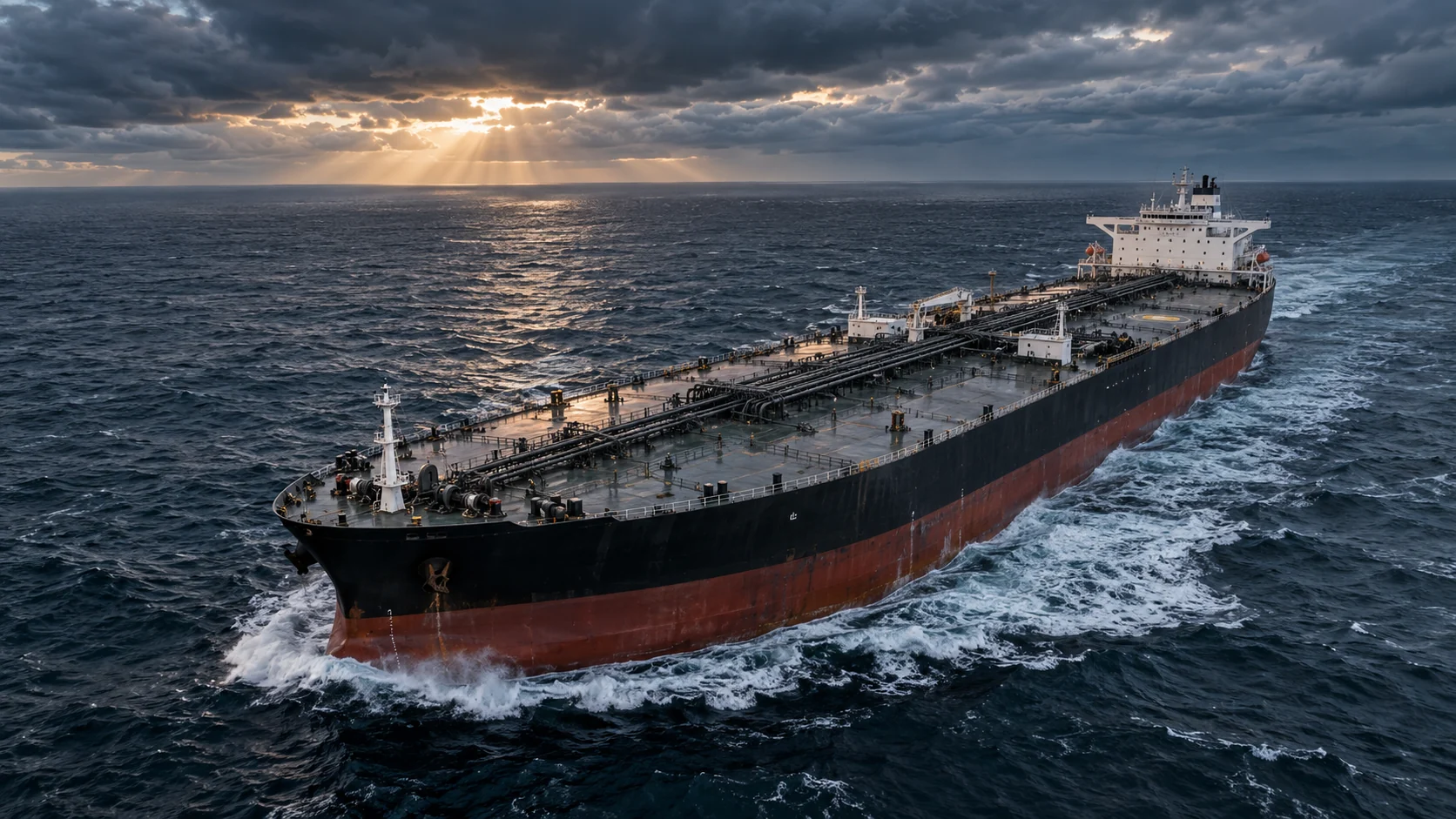
Reported attacks and disrupted grain flows make route-level due diligence more important. A regional incident count does not determine the price or safety of a particular shipment.
Reported attacks and disrupted grain flows make route-level due diligence more important. A regional incident count does not determine the price or safety of a particular shipment.
What happened?
Reuters cited Ambrey Analytics counting 317 merchant and other vessels struck in the Black Sea and Sea of Azov during May–October, versus 74 in the preceding six months.
Reuters reported Russian grain shipments through those two seas of 0.3 million metric tons in September, versus 4.74 million a year earlier, citing export data it reviewed.
These figures describe specified periods, vessel categories and routes; they are not a current global freight-rate index.
Source-attributed reporting checked on 3 November 2026. Commercial implications below are SCS analysis, not verified changes to your rates or service.
Who is exposed?
Cargo planned through the specified seas warrants shipment-level operational and professional risk review. The incident tally does not quantify the chance of an attack on your vessel or the price of insurance.
Read the scope before calculating the implication
An incident total needs a denominator before it can become an estimated probability. Without consistent exposure data, it should not be converted into a percentage chance that an individual vessel will be attacked. Likewise, a corridor volume comparison is not a measure of every export route available to a country. Keep those boundaries visible in internal briefings.
The purchasing decision should start with the actual loading point, discharge point, vessel nomination and contractual dates. Ask whether the quoted route is still available and what happens if it changes. A broad regional concern may justify a closer review, but it is not a substitute for current professional operational and security advice.
Price an executable alternative, not a line on a map
Ask the forwarder or chartering counterpart to provide a complete alternative offer with inland legs, handling, storage and transshipment charges separated. Record the validity period and any conditions. An attractive base rate can be misleading if it omits a necessary transfer or assumes a connection that has not been confirmed.
Check the receiving operation as carefully as the departure. A revised arrival pattern can create a different unloading or inventory requirement even when the cargo reaches its destination. Compare the end-to-end plan and identify the person who can authorize a switch. Do not move cargo solely because a news article mentions another corridor.
Review insurance and commercial responsibility separately
Request written confirmation from the appropriate insurance professional that the proposed voyage and cargo fall within the relevant coverage and conditions. Do not infer coverage from a general quotation or from another shipment’s policy. Keep coverage decisions with qualified advisers and the party responsible for the contract.
On the commercial side, ask who pays for waiting, diversion and additional handling under the actual agreement. These are distinct questions from whether a service is available. Log the answer and supporting document before approving a revised budget. This article does not interpret any policy or guarantee that a route will be accepted.
Make the watch list useful to operations
Track supplier readiness, confirmed departure, receiving capacity and inventory cover in one shipment record. Give each uncertain item an owner and a next decision date. If the plan changes, preserve the earlier quote and explain which assumption failed. That creates an auditable reason for spending more or selecting a different delivery plan without turning a regional headline into a universal surcharge.
Does the vessel count cover only merchant ships?
No. The cited tally includes merchant and other vessels across two seas.
Do these figures establish a freight-rate increase?
No. Obtain a current quote for the specific cargo, route and terms.
Is an alternative route automatically safer or cheaper?
No. It requires its own operational, commercial and professional risk review.
What could this mean for my costs?
Obtain comparable quotes covering inland legs, handling, waiting and the proposed voyage, with separate professional coverage review. The fuel tool below addresses only one possible cost component, not total diversion cost.
A separate planning sensitivity—not a news-derived bill
Fictional one-month USD example: $100,000 transport spend; 20% fuel-sensitive share. These are independent assumptions, not predicted outcomes.
Replace the illustrative amounts only with your own comparable inputs. Keep currency, period, units and service scope consistent. The model does not establish actual capacity, schedule feasibility, coverage or savings.
Fuel sensitivity, with the rest of the budget held fixed
| Assumed fuel move | Added cost / month | Total / month |
|---|---|---|
| 0% | $0 | $100,000 |
| +10% | $2,000 | $102,000 |
| +20% | $4,000 | $104,000 |
Formula: spend × fuel-sensitive share × assumed change. Fixed reference table; it does not synchronize with your profile or calculator.
Price the complete proposed voyage Your local shipping profile can supply compatible inputs. It does not prove the event affects your operation, and it never changes the source facts. Incompatible modes keep separate examples.
What should I watch?
- Request a dated update tied to the actual shipment or facility.
- Keep observed costs separate from scenario assumptions.
- Retain the evidence behind any approved budget change.
Bring these questions to your next review.
- Request a dated update tied to the actual shipment or facility.
- Keep observed costs separate from scenario assumptions.
- Retain the evidence behind any approved budget change.
Use the report to prioritize evidence gathering, not to substitute a headline for a commercial quote.
What changed in this coverage?
Source checked: 03 Nov 2026. This is a recorded research snapshot, not continuous monitoring. Reporting, editorial updates and hypothetical assumptions are distinct.
- Original SCS coverage
Initial source-checked report with separate original operating analysis.
Source-deployed article in this reader collection. This record is not a D1 editorial approval or an automated daily intake receipt. Later owner-released corrections or retractions take precedence at this URL.
FOLLOW THE CONNECTED COVERAGE ↗Sources & provenance.
- Reuters: war widens in the Black Sea ↗3 November 2026 · Ambrey-attributed vessel tally and route-specific export data; not a safety guarantee.
Article update. First SCS publication on 3 November 2026. Reported figures are attributed; commercial scenarios are separate assumptions.
Research edition: 03 Nov 2026 Pacific. First published: 03 Nov 2026. Last modified: 03 Nov 2026. Source periods and access limits appear above. Source-checked research and analysis. A separate human editorial review has not been recorded. Reported figures are attributed to the source, not independently audited. External links open the original source; availability may vary.