What does Dell’s AI backlog tell logistics teams?
Dell reported ↗ $132.3 billion in AI order backlog, $60.2 billion in new quarterly AI orders, and $54.9 billion in total quarterly revenue. Its full-year outlook calls for about $78 billion in AI-optimized server revenue. Those are different measures: outstanding orders, orders booked, revenue achieved and an outlook. None is a count of shipments that have missed delivery.
Impact: Component risk can change when freight must move
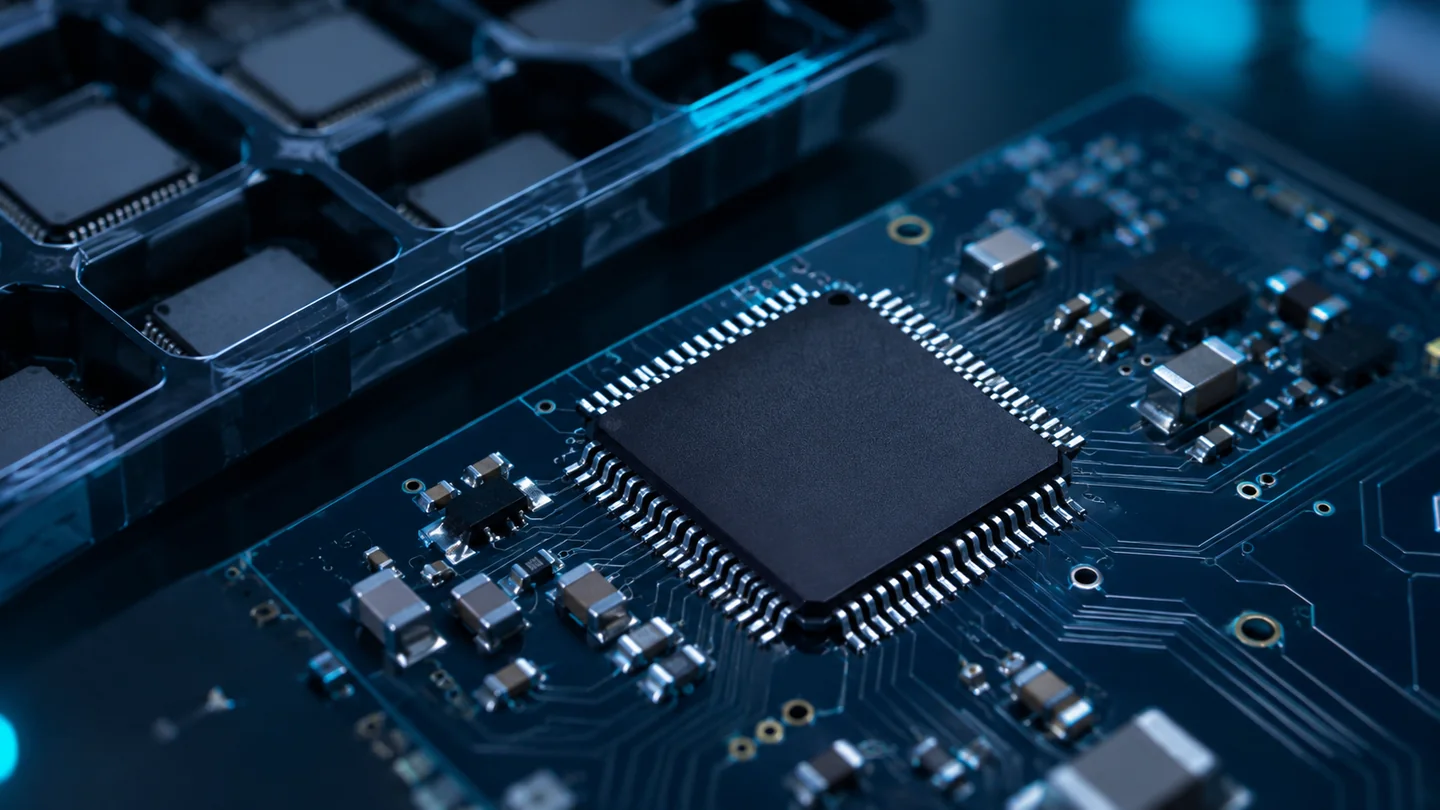
Reuters reported ↗ that Dell and HP warned of continued memory cost pressure, and Dell expects memory supply constraints to extend into 2027. A server build could be waiting on a component, a production release or a receiving site. Those constraints may shift transport decisions between air and ocean or require secured storage. They do not establish that all NVIDIA-based systems are delayed or that a specific freight lane became more expensive.
Shipper decision: Reserve capacity in stages
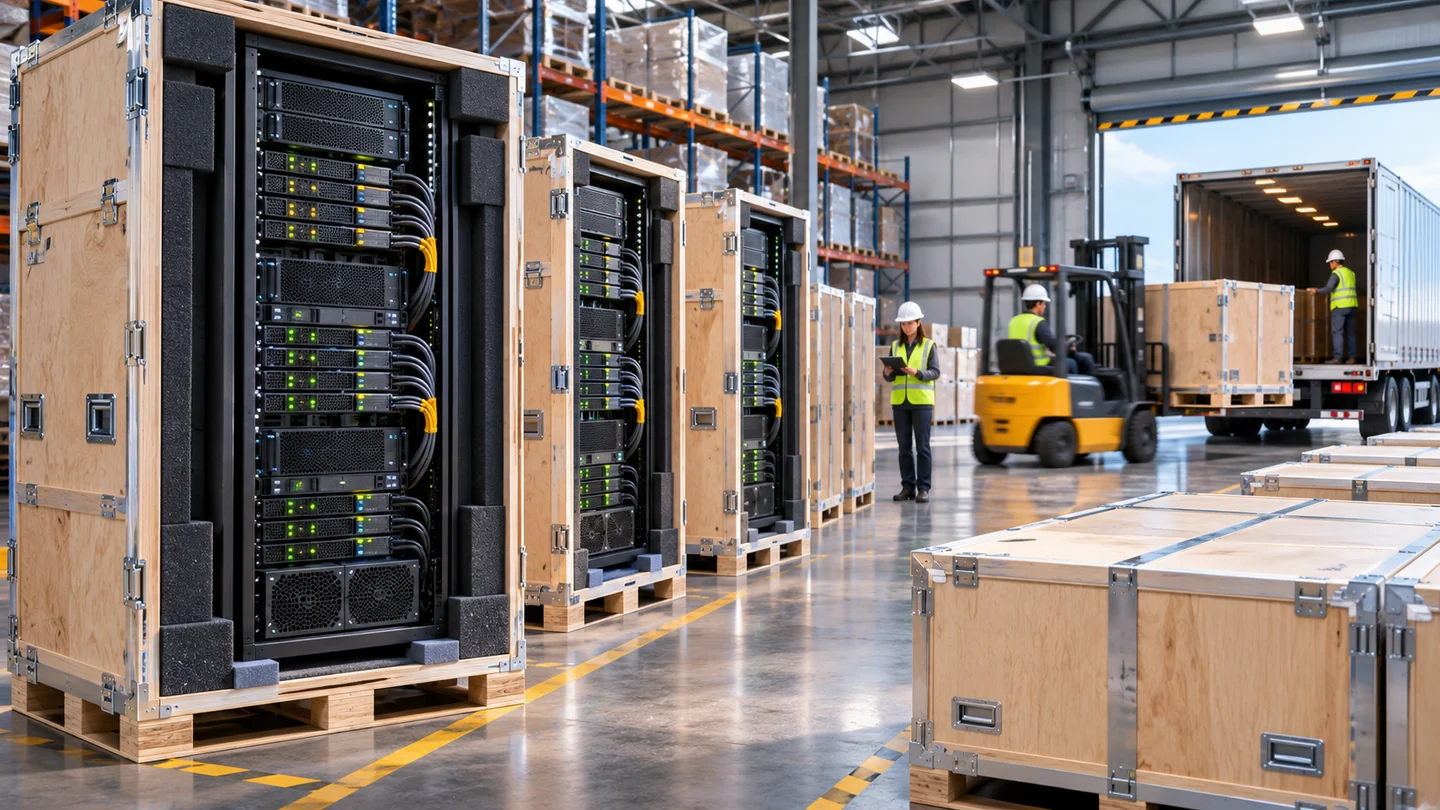
Separate the equipment backlog into engineering approval, confirmed parts, build release, pickup window and customer installation slot. Map which component would actually hold final assembly. Confirm dimensions, acceptance and insured value before committing scarce air capacity.
For a hypothetical production run, expediting a critical lot adds $6,000. If it would avoid two days of idle installation time estimated at $4,000 a day, the gross avoided cost is $8,000 and the net benefit $2,000, only if the part is available and no other dependency still blocks installation. Otherwise the expedite can cost money without changing the date.
Frequently asked questions
Does the $132.3 billion backlog mean that amount of freight is delayed?
No. It is an outstanding AI order backlog, not a shipment-delay figure, released volume or freight spend.
Does this confirm higher airfreight rates?
No. Urgent component shortages can change specific transport decisions; Dell did not announce a market airfreight surcharge.
What should buyers reserve transport against?
Use confirmed supplier release, planned dimensions and value, destination readiness, delivery deadlines and an approved mode-change threshold.
Owner-authorized November 25 release; original + dated update history preserved where applicable.
Sources & publication notes
Published figures are attributed to their exact scope. Worked costs are hypothetical, not quotes.
- Dell Q3 FY2027 earnings ↗Checked November 25, 2026 · Nov. 24: backlog, orders, company revenue and fiscal-year guidance
- Reuters on Dell and HP ↗Checked November 25, 2026 · Nov. 24: memory-cost and component availability outlook
SCS publication: 25 Nov 2026 · 13:11 UTC. Last modified: 25 Nov 2026. Research cutoff: November 25, 2026 Pacific morning source review; not the publication time. Source dates are distinct from publication. Reported figures remain attributed, not independently audited. External source availability may vary.
AI-assisted source checking and original SCS analysis. No separate human factual review is recorded.
Use your own evidence.
Compare freight offers ↗ — Compare comparable service, reported scope and costs.
Tools remain separate from the reporting. No headline becomes a live quote, a guaranteed saving or an automatic surcharge.