Direct answer
LEGO plans to invest about €1 billion (roughly $1.1 billion at Reuters’ conversion) in a factory in Estarreja, Portugal. Reuters’ November 23 report and interview with LEGO’s chief operating officer ↗ put planned construction in the first half of 2027 and production in 2030. The investment creates a scenario to model, not a reason to change current freight commitments.
What is actually planned
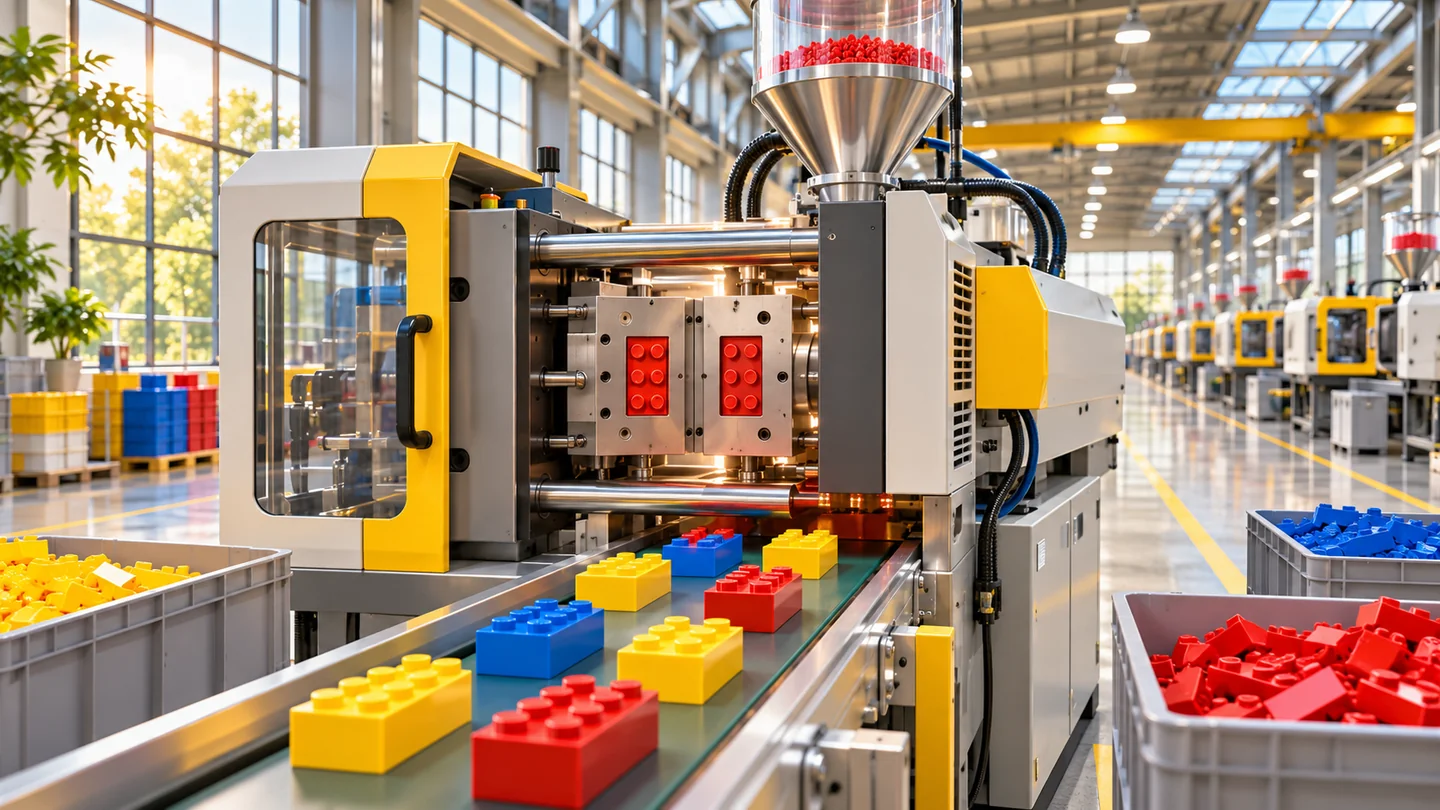
LEGO told Reuters the proposed 115,000-square-metre facility would mould, process and pack products and employ more than 1,000 people. Its chief operating officer told Reuters the factory would primarily serve growth in established markets, while also supporting markets in southeastern Europe, Africa and the Middle East. Portuguese public broadcaster RTP carried a separate Lusa interview with the executive ↗. Lusa reported that spending could reach €1 billion through 2035, separate from the planned start of production. The announcement does not specify which distribution centres, products or freight volumes will change.
Model shorter outbound lanes and longer inbound lanes together
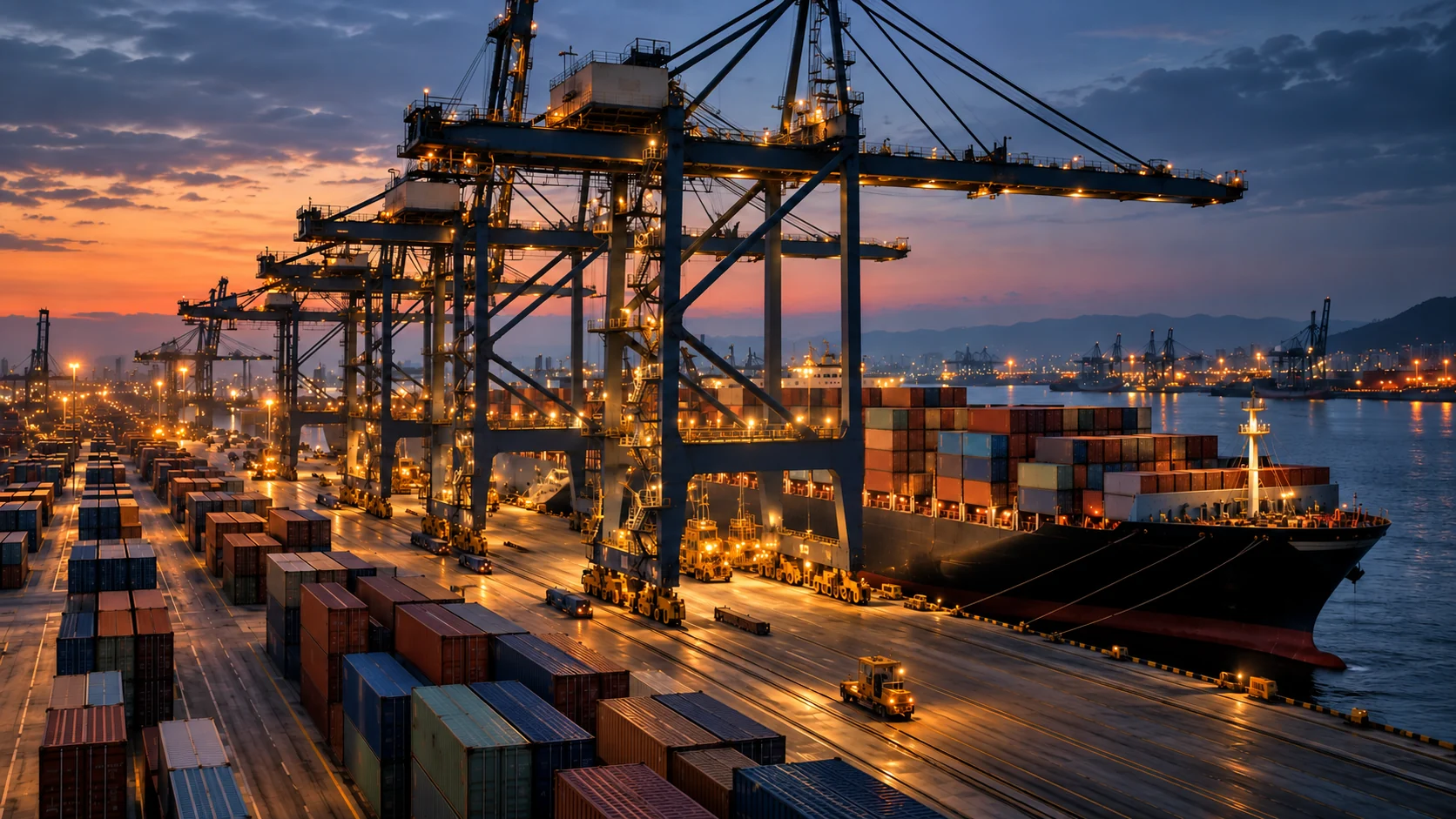
Compare the current network with a future Portugal scenario at the same service and inventory targets. Map inbound materials, packaging and interplant replenishment as well as finished-goods moves. Include base transport, handling, transit inventory, back-up capacity, and any extra cost during ramp-up. If a shorter outbound leg shifts freight from ocean to truck, compare cost per delivered unit and lead-time reliability rather than kilometres alone. Keep your existing lanes in the baseline until allocation and dates are confirmed.
Illustrative, not LEGO data: Suppose a regional plant saves €0.22 per finished unit on outbound freight, adds €0.14 on inbound movements, and adds €0.04 in handling. The recurring freight-and-handling gain would be €0.04 per unit before plant, ramp and inventory costs. At €0.06 of incremental inventory or disruption cost, that transport gain is outweighed. Actual routing, volumes and prices have not been disclosed.
Frequently asked questions
When is the LEGO factory in Portugal expected to open?
Production is planned for 2030, and construction is expected to start in the first half of 2027, according to the company statements reported by Reuters. These are plans, not operating milestones already reached.
Does nearshoring always cut freight costs?
No. It can shorten some outbound legs while increasing inbound, replenishment, inventory or transition costs.
Which freight lanes will change?
No completed lane rebid or confirmed traffic allocation was disclosed in the reporting reviewed. Model alternatives now and wait for actual distribution assignments before rebidding.
Owner-authorized November 23 morning edition. Source checks and original shipper analysis; illustrative images are not event evidence.
Sources & publication notes
Attribution and limits are shown next to claims. The worked example is fictional, not a quote or forecast.
- Reuters: November 23 reporting and LEGO executive interview ↗Source checked November 23, 2026 · Direct executive statements and company details about planned investment, scale, dates and markets.
- RTP/Lusa: interview with LEGO’s operations chief ↗Source checked November 23, 2026 · Separately reported executive interview, not independent confirmation of a completed capital project.
- LEGO Group: existing regional production strategy ↗Source checked November 23, 2026 · Primary background on producing closer to customers; not proof of the November 2026 Portuguese announcement.
- The LEGO Group: Estarreja factory announcement ↗Source checked November 23, 2026 · Primary company confirmation of location, 115,000 square metres, expected 2030 opening and more than 1,000 expected jobs. Not a confirmed freight traffic allocation.
SCS publication: 23 Nov 2026 · 13:38 UTC. Last modified: 23 Nov 2026. Research cutoff: 2026-11-23 rechecked 13:38 UTC / Pacific morning edition; not the publication time. Source dates are distinct from publication. Reported figures remain attributed, not independently audited. External source availability may vary.
AI-assisted source checking and original SCS analysis. No separate human factual review is recorded.
Use your own evidence.
Compare freight offers ↗ — Compare cost and service on the same shipment assumptions.
Tools remain separate from the reporting. No headline becomes a live quote, a guaranteed saving or an automatic surcharge.