Direct answer
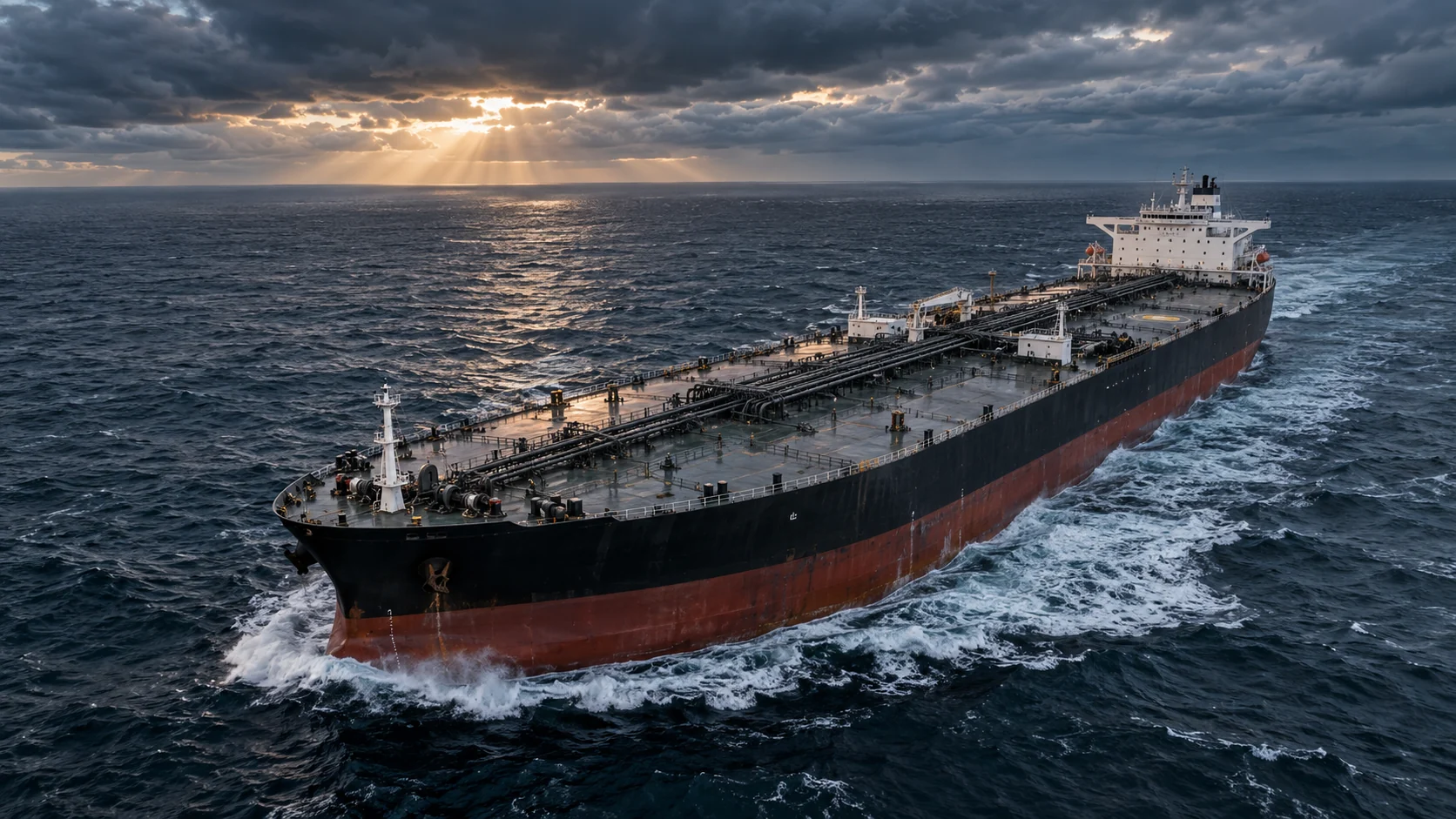
A tanker was struck by two unidentified projectiles about 50 nautical miles north of Qatar’s Madinat ash Shamal at 23:20 UTC on November 4, 2026, according to UKMTO reporting carried by Reuters. Cargo owners should verify whether their actual vessel, port call or insurance terms are affected before changing shipment plans.
What remains unresolved
AP reported on November 5 that crew condition, vessel damage and environmental impact remained unknown. The tanker and its flag were unidentified, and there was no immediate claim of responsibility. Separate Iranian media claims about tankers and a towboat should not be treated as confirmation about this incident.
The following planning guidance is SCS Research analysis, not evidence of a new closure, carrier suspension or insurance restriction. A reported attack warrants a specific operational check; it does not establish which unrelated cargo movements will change.
Start with the booked movement
Ask the forwarder or carrier to identify the vessel currently assigned to the booking, its next port call and whether the shipment has already loaded. An export booking awaiting equipment requires a different response from cargo aboard a vessel at sea. Keep the original booking confirmation alongside any subsequent written instructions.
For a transshipment movement, check both the main voyage and the onward connection. If a carrier revises a schedule, request the revised connection and cargo availability estimate rather than treating the vessel’s arrival time as the final delivery date. Communicate uncertainty as a range only when the operator provides a defensible range.
Price alternatives against the delivery requirement
If the operator recommends a different routing, compare its complete cost and timing with the existing movement. Relevant questions include additional handling, inland transport, storage exposure, documentation changes and the destination’s ability to receive the goods. An alternative port is useful only if the remaining delivery chain can support it.
Inventory decisions should follow the consequence of a missed delivery. A production-critical component may justify a different response from replenishment stock with ample cover. Check usable stock and confirmed demand before expediting. Avoid allocating scarce premium capacity merely because the news is serious if the shipment itself has no confirmed exposure.
Keep commercial and insurance decisions documented
Request written confirmation of any proposed insurance change, including the voyage covered, effective dates and exclusions. Ask which party must arrange any additional cover under the sales agreement. A security warning alone cannot establish that an existing policy has changed or that a particular surcharge is payable.
Set the next review around a meaningful event, such as a carrier advisory, loading confirmation or official incident update. Name the person responsible for checking it. This keeps customer communication tied to observable changes and reduces repeated, speculative delivery revisions.
Three checks for your next decision
- Confirm the booked vessel, loading status and next operational milestone with the carrier or forwarder.
- Request written terms and a complete delivered-cost comparison before approving a reroute.
- Review inventory exposure and assign an owner to the next carrier or official update.
Frequently asked questions
Should every Gulf shipment be rerouted?
No. Decide from the booked route, operator guidance, delivery requirement and available alternatives. A blanket change could add handling or inland delays without reducing the shipment’s actual exposure.
Does this report establish a new freight surcharge?
No. Ask the carrier to identify any applicable charge, its contractual basis, effective date and affected bookings before treating it as a shipment cost.
What should customers be told now?
Share the shipment facts you can verify, the next milestone being checked and any confirmed change. Clearly distinguish a precautionary review from an actual delivery delay.
Initial November 5 coverage. Confirmed reporting, attributed claims and conditional operating analysis are separated.
Sources & publication notes
Checked November 5, 2026, approximately 12:45 UTC. UKMTO Warning 196-26 primary PDF could not be retrieved; incident facts are attributed to Reuters/AP reporting. Planning sections are original conditional analysis.
- Reuters: Tanker struck north of Qatar ↗November 5, 2026 · Incident location, time and projectiles; reporting attributed to UKMTO.
- Associated Press: Tanker struck off Qatar ↗November 5, 2026 · Unconfirmed crew, damage and environmental status; unidentified vessel and no immediate responsibility claim.
SCS publication: 05 Nov 2026 · 12:50 UTC. Last modified: 05 Nov 2026. Research cutoff: 5 November 2026, 12:45 UTC; source publication and event times retained; not the publication time. Source dates are distinct from publication. Reported figures remain attributed, not independently audited. External source availability may vary.
Prepared with AI-assisted research and analysis at the site owner’s request. A separate human editorial review is not recorded. Reported figures remain attributed to their sources.
Use your own evidence.
More supply-chain research ↗ — Related operational analysis.
The separate Oman tanker incident ↗ — Distinguish the earlier Oman event from the Qatar report.
Tools remain separate from the reporting. No headline becomes a live quote, a guaranteed saving or an automatic surcharge.