Direct answer
Reuters reported November 6 that Valero executive Randy Hawkins put U.S. Gulf Coast-to-Asia crude freight at $30–$35 per barrel, versus about $5 previously. The comparison is six to seven times the reference level, not a universal tanker benchmark. The estimate was already reported around Valero’s October 22 earnings call; November 6 is the newer report date, not the start of a new rate increase. Phillips 66’s earlier time-charter commitments illustrate a different freight exposure, not a promise of cheaper diesel.
How large is the reported change?
Dividing $30–$35 by $5 gives six to seven times the reference level. Expressed as an increase, that is approximately 500%–600%, not 600%–700%. Both calculations depend on the rounded executive estimates and say nothing about a particular shipper’s invoice.
Reuters’s November 6 account connects high freight costs with changing crude sourcing economics. The article attributes the number to Hawkins rather than presenting it as a published tariff. Valero’s official investor record dates its third-quarter call to October 22, and earlier reporting contains the same range.
Why can expensive ocean freight favor a nearby refiner?
SCS analysis: compare the delivered cost of an input, not only its price at origin. A buyer with practical access to a nearer supply may face a different transport bill from an overseas competitor. The usable crude grade, refinery capability, transport route and contractual price all affect that comparison.
A cheaper feedstock quotation does not automatically mean a lower delivered cost. Keep purchase price, freight, insurance, handling and timing on separate lines. Match the unit and delivery basis before calculating a difference; crude barrels, product tonnes and a vessel’s daily charter rate cannot be swapped without a justified conversion.
Does this imply diesel or trucking costs rose sixfold?
No. The reported figure concerns moving crude on one ocean route. It does not measure retail diesel, jet fuel, container rates or an FTL/LTL fuel surcharge. The chain from crude delivery to a transport invoice includes refining, local supply conditions and the customer’s pricing agreement.
For a fuel-linked freight contract, identify the actual index, observation period, table and eligible charge base. A tanker estimate can flag a question for procurement, but it cannot substitute for those billing inputs. Preserve dated observations rather than applying an old estimate to every new shipment.
What evidence should a freight buyer request?
For direct tanker exposure, ask whether a quote covers the specified route, vessel, cargo, loading window and insurance scope. Establish which costs sit outside it and how long it remains valid. A comparison with a different voyage or delivery term may explain nothing about the price you can actually buy.
For indirect exposure, start with the carrier’s documented fuel policy and a matched shipment sample. Separate an observed invoice change from a forecast and from a negotiating target. Only record a realized saving after the comparable service was delivered and the charge can be reconciled.
How does Phillips 66’s shipping strategy differ?
Phillips 66’s October 28 earnings call adds a transport-procurement angle. Executive Brian Mandell said the company had added more than 40 time-chartered ships before overseas market problems, supporting about 40% of its asset-based demand. He also described another 40 expected over the following two and a half years. Future arrivals should not be counted as vessels already available.
SCS analysis: advance charter arrangements and nearby crude sourcing can create different exposure from buying transport at a prevailing spot price. They do not remove every freight risk or establish savings for a customer buying finished fuel. Ask which cost, route, time period and share of demand a management statement actually covers.
Three checks before your next shipment
- Keep the October earnings estimate distinct from November 6 reporting and current quotes.
- Compare the same route, cargo unit, delivery basis and insurance scope.
- Use the actual carrier fuel formula before changing a trucking or parcel budget.
Frequently asked questions
Is six to seven times a 600%–700% increase?
No. Six to seven times the starting level means a 500%–600% increase, using the rounded figures.
Is $30–$35 a live price for every tanker voyage?
No. It is an attributed route-specific executive estimate, not a universal benchmark or a current quote.
Did Valero first disclose this on November 6?
The same estimate appeared around its October 22 earnings call. November 6 is the date of the Reuters follow-up used here.
Does Phillips 66 already have all the additional ships?
No. Its October 28 comments distinguish more than 40 time-chartered ships from another 40 expected over the following two and a half years.
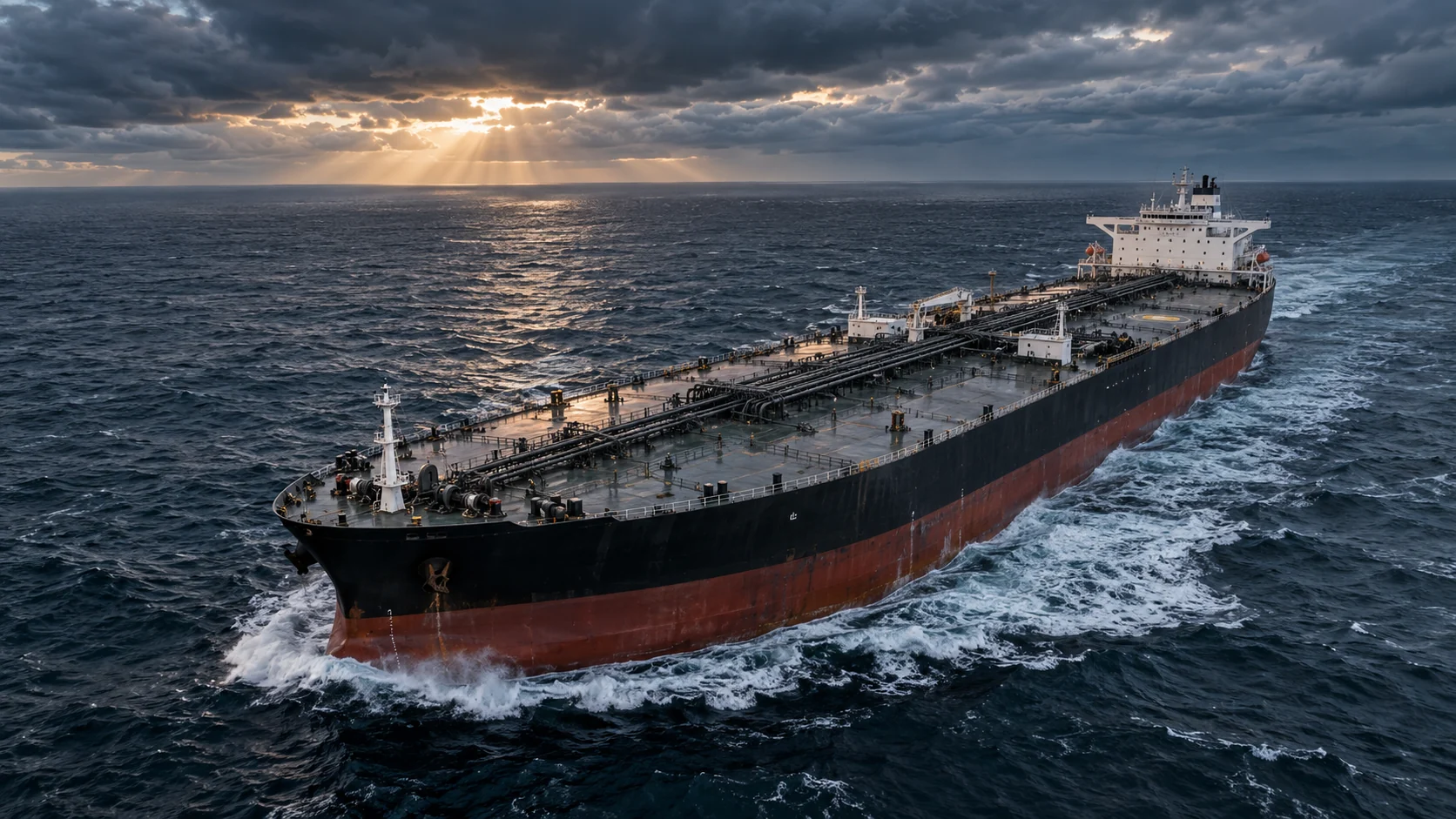
Updated November 7 in the existing article to add Phillips 66’s October 28 charter-capacity comments and an original editorial illustration. Original publication, October Valero estimate and source history retained.
Sources & publication notes
Sources checked November 7. Source publication dates and older underlying events are retained. Reported figures are attributed, while cost examples and recommendations are SCS analysis. See the scope and access limits beside each citation.
- Reuters: soaring freight rates and crude discounts ↗November 6, 2026 · Executive-attributed U.S. Gulf Coast-to-Asia estimate and refinery economics. Reuters text also retrieved through its EnergyNow republication.
- Valero: Q3 2026 earnings-call announcement ↗Call scheduled for October 22, 2026, 10 a.m. Eastern; event occurrence corroborated in contemporaneous reporting · Primary support for the event date; not independently presented as the freight-quote transcript.
- gCaptain: earlier U.S.–Asia crude freight reporting ↗October 2026; indexed reporting checked November 7 · Earlier occurrence of the same Hawkins estimate; establishes that the quoted range predates November 6.
- Phillips 66: Third-quarter 2026 earnings-call transcript ↗October 28, 2026; pages 9 and 14 checked November 7 · Management comments on more than 40 time-chartered ships, about 40% of asset-based demand and another 40 future ships. Not an 80-vessel current fleet claim.
SCS publication: 07 Nov 2026 · 13:00 UTC. Last modified: 07 Nov 2026. Research cutoff: 7 November 2026, 13:20 UTC / 5:20 a.m. PST; Valero and Phillips 66 comments retain their October dates; not the publication time. Source dates are distinct from publication. Reported figures remain attributed, not independently audited. External source availability may vary.
Prepared with AI-assisted research and analysis at the site owner’s request. A separate human editorial review is not recorded. Reported figures remain attributed to their sources.
Use your own evidence.
November 6 oil-market snapshot ↗ — Keep commodity-price observations separate from transport charges.
FedEx’s dated fuel-surcharge example ↗ — A different fuel-index and invoice mechanism, not the tanker market.
Tools remain separate from the reporting. No headline becomes a live quote, a guaranteed saving or an automatic surcharge.