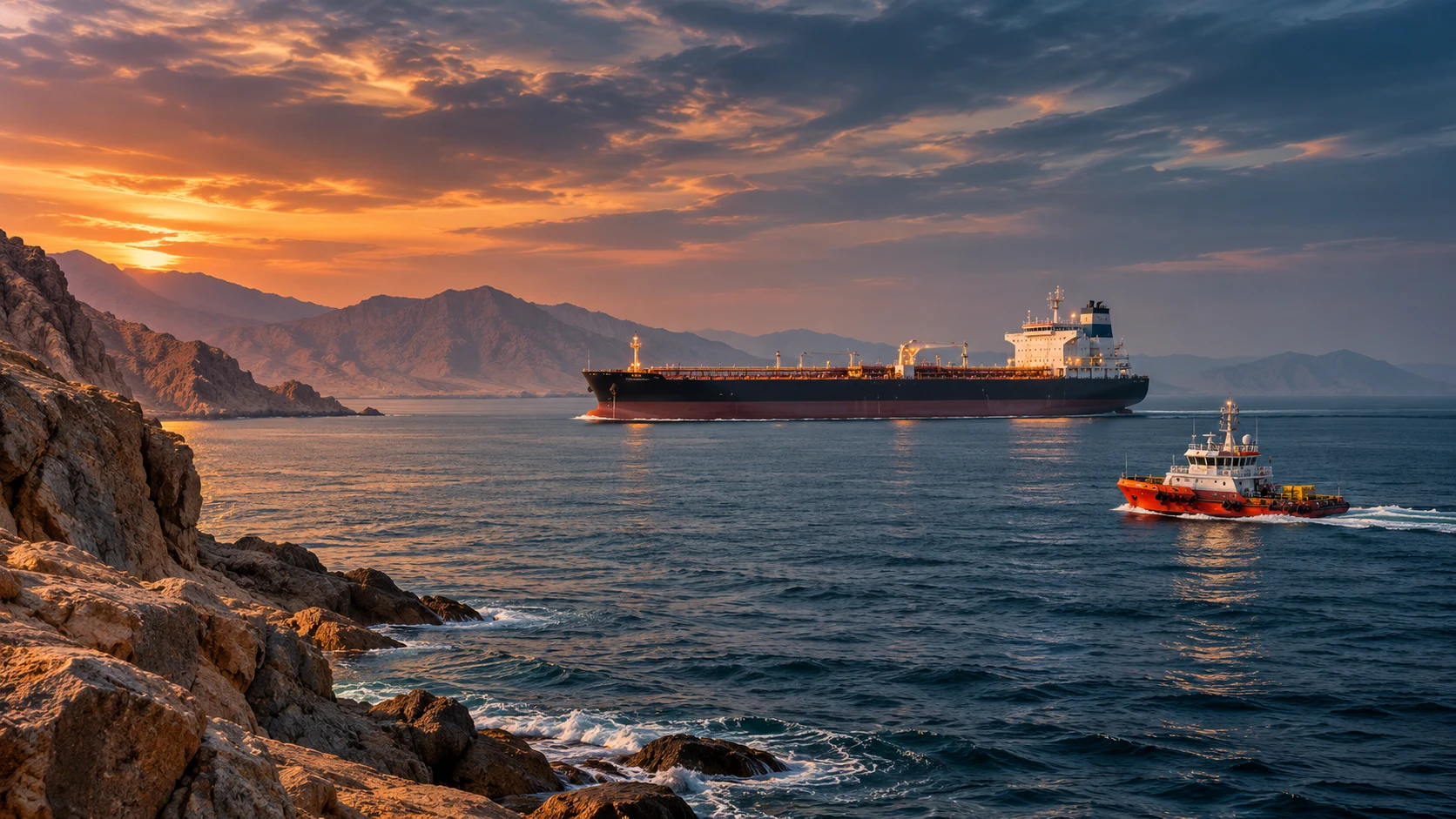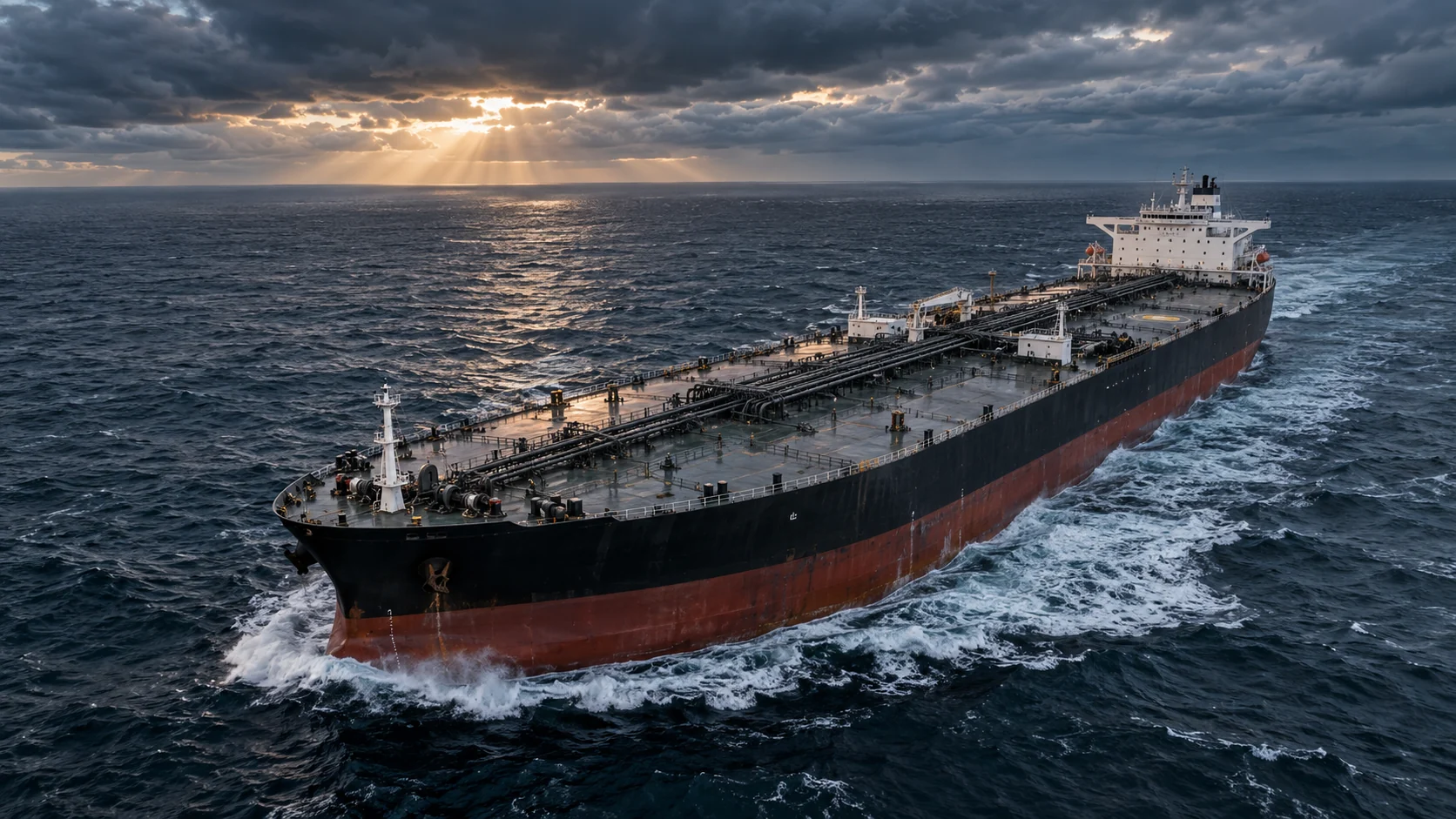
What should cargo buyers do with the Hormuz claims?
Gulf cargo buyers should verify their vessel and delivery plan before paying new risk charges. Iran issued fresh oil-tanker mine claims on November 14, following Friday’s unverified gas-carrier claim. Independent vessel identification, damage and mine causation remain unverified in the evidence reviewed. New announcements do not establish a verified incident total or a new marketwide surcharge.
What is reported, and what remains unknown?
Reuters reported November 14 ↗ that Iran's navy said an oil tanker caught fire after hitting a mine. AFP reporting carried by CNA ↗ describes Iranian claims involving three oil tankers. These are attributed statements, not three independently confirmed casualties. Vessel identities, exact timings, cause and damage remain unresolved in the retrieved evidence.
Friday's gas-carrier report remains separate in the chronology: Reuters described LNG ↗, while AP described LPG ↗. That discrepancy remains unresolved. New announcements cannot establish a cumulative incident count while the underlying vessels are unidentified. This article retains its existing URL to consolidate the developing claims rather than create another overlapping casualty report.
UKMTO's November 13 weekly overview ↗ is useful primary context, but its incident data run through November 11. It cannot corroborate these later claims. A matching operator statement, verified vessel identity or current maritime advisory would materially strengthen the evidence; missing confirmation is not proof an incident did not occur.
How could the claim reach a freight or energy budget?
SCS analysis: a confirmed disruption could affect an exposed buyer through a late arrival, replacement cargo, additional insurance or a changed route. Those are separate cost mechanisms. The relevant question is which, if any, applies to the contracted shipment and who bears it under the agreement.
An industrial buyer receiving gas through a local utility may have a different exposure from an LNG importer chartering a vessel. A container shipper may face a carrier's route decision rather than a direct LNG supply interruption. Avoid carrying a speculative gas-price effect straight into every trucking, parcel or ocean-freight budget.
How should a replacement option be compared?
Start with the original cargo's confirmed delivery window and the latest written status. A replacement that arrives too late to prevent an operational interruption may still leave the buyer with both the premium and the production problem. Conversely, buying before confirming the original cargo's status can create duplicate supply and storage costs.
Use an all-in comparison: replacement purchase cost, transport, terminal handling, storage, cancellation exposure and the operational consequence of waiting. Do not invent probabilities or label the most alarming scenario the expected case. Keep a contingency distinct from an approved purchase.
Which contract terms deserve attention?
BIMCO's war-risk guidance ↗ points users toward the applicable clauses. The commercial review should cover route discretion, notice requirements, additional insurance, cancellation and the allocation of delay costs. Whether a clause applies depends on its wording and the facts, not the existence of a headline alone.
Ask for a written explanation of any proposed charge: which vessel or sailing, which period, which contractual provision and which underlying cost. Separate an insurer's premium from a carrier's commercial surcharge. Qualified counsel should review consequential contract decisions; this article is an operational checklist, not a determination of legal rights.
What should change the next decision?
First, match any operator notice to the booking, cargo and receiver. Second, confirm the latest expected arrival with the responsible supplier. Third, document whether a charge or service change has actually been proposed. Share only verified shipment facts internally, with the time of the check attached.
A confirmed affected vessel, a documented route restriction, a supplier's revised delivery commitment or a written insurance notice would justify reassessing the plan. Until then, retain a workable contingency without describing an unverified claim as a settled loss. No new marketwide freight surcharge was verified for this article.
Frequently asked questions
Have the latest Hormuz tanker mine claims been independently confirmed?
Not in the evidence reviewed. The reporting establishes Iranian announcements, not verified vessel identities, damage or mine causation.
Are the oil-tanker claims the same as Friday’s gas-carrier claim?
They are new announcements described differently in reporting. Without vessel identities and verified times, overlap cannot be excluded and the distinct incident count is unknown.
Do these claims establish that all Hormuz traffic has stopped?
No. These unverified claims do not establish the operating status of every route or sailing. Obtain current vessel-specific instructions.
Should a shipper accept a new war-risk charge immediately?
Request the covered voyage, effective dates, contractual basis and supporting cost evidence. The headline alone does not establish what the agreement permits.
Owner-authorized November 14 release after source refresh: four new articles and three updates. Protocol 01 cost, contract and next-decision framing; original publication history retained for updates.
Sources & publication notes
November 14 Reuters and AFP/CNA indexed reports establish new Iranian statements; direct article retrieval was unavailable. The underlying oil-tanker incidents remain unverified. Friday Reuters/AP cargo-label discrepancy remains unresolved. No verified vessel identities establish a cumulative incident count or exclude overlap. UKMTO November 13 overview was read but data end November 11, before these claims. No event-specific marketwide surcharge verified.
- Reuters: Iran says tanker carrying LNG hit mine in Hormuz ↗13 November 2026, 07:00:56 UTC · Indexed Reuters report verified; direct-page access failed. Reports an Iranian claim, not independent confirmation of a mine strike.
- StreetInsider: Reuters LNG tanker dispatch ↗13 November 2026, 2:00 a.m. EST · Indexed full Reuters syndication retrieved; no tanker details immediately available. Same wire report, not a second independent confirmation.
- UKMTO: Recent Incidents ↗Checked 13 November 2026 · Public text rendered zero reports without usable incident detail. Extraction limitation, not evidence that no incident happened.
- BIMCO: Remember the War Risks Clauses ↗3 March 2026; checked 13 November 2026 · Primary general contract guidance. Actual wording and notice conditions matter; no advice on an individual contract.
- AP: Iran reports gas tanker incident in Hormuz ↗November 13, 2026; checked before release · Indexed original AP dispatch describes LPG and says the incident could not be verified. Direct retrieval unavailable. Cargo label differs from Reuters LNG account.
- Reuters: Iran navy reports oil-tanker mine incident ↗November 14, 2026, 10:31 UTC; indexed report checked November 14 · Indexed Reuters reporting of an Iranian navy statement; direct page retrieval unavailable. Underlying incident not independently confirmed.
- AFP / CNA: Iranian oil-tanker mine claims ↗November 14, 2026; indexed report checked November 14 · AFP report describes Iranian claims involving three tankers. Direct page retrieval unavailable; not independent casualty verification.
- UKMTO November 13 weekly maritime overview ↗November 13, 2026; incident data through November 11 · Primary context only. Does not verify November 13–14 tanker claims.
SCS publication: 13 Nov 2026 · 14:07 UTC. Last modified: 14 Nov 2026. Research cutoff: 2026-11-14T13:34:00Z; bounded pre-release source refresh, not a live operational feed; not the publication time. Source dates are distinct from publication. Reported figures remain attributed, not independently audited. External source availability may vary.
Prepared with AI-assisted research and analysis. The site owner authorized publication of all seven reviewed November 14 items. A separate human factual review is not recorded. Reported figures and unverified claims retain source attribution.
Use your own evidence.
Iran Claims Two Supertankers Were Disabled in Hormuz: What Is Verified? ↗ — Related, separately dated reporting; not independent verification of this development.
Compare complete shipment costs ↗ — Compare actual offers and explicit assumptions.
Review freight costs and evidence ↗ — Work from your own shipment and contract evidence.
Tools remain separate from the reporting. No headline becomes a live quote, a guaranteed saving or an automatic surcharge.